
Inorganic hard wear-resistant fillers used in water-based coatings
I. Corundum
1. White corundum micropowder α-Al2O3 99%+
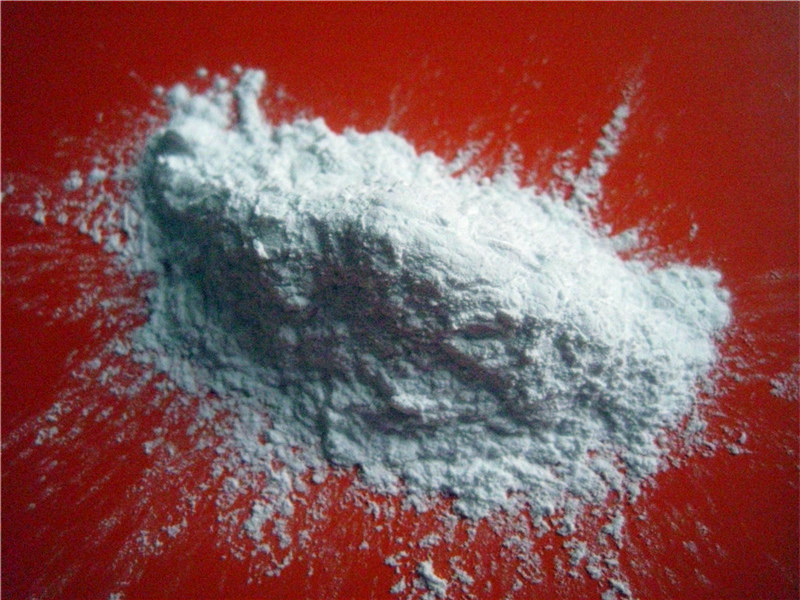
It has a Mohs hardness of 9, is a white powder, free of impurities and black spots, and does not damage the appearance of the paint film.
Particle size: 120#-10000#
Advantages: Water-resistant, resistant to weak acids, high whiteness, suitable for both water-based light-colored topcoats and clear coats; can be modified with silane to improve dispersibility in water.
Applications: Water-based epoxy flooring, water-based metal corrosion protection, water-based wood wear-resistant primer, water-based plastic paint
2. Brown corundum micropowder, Al2O3≈95%
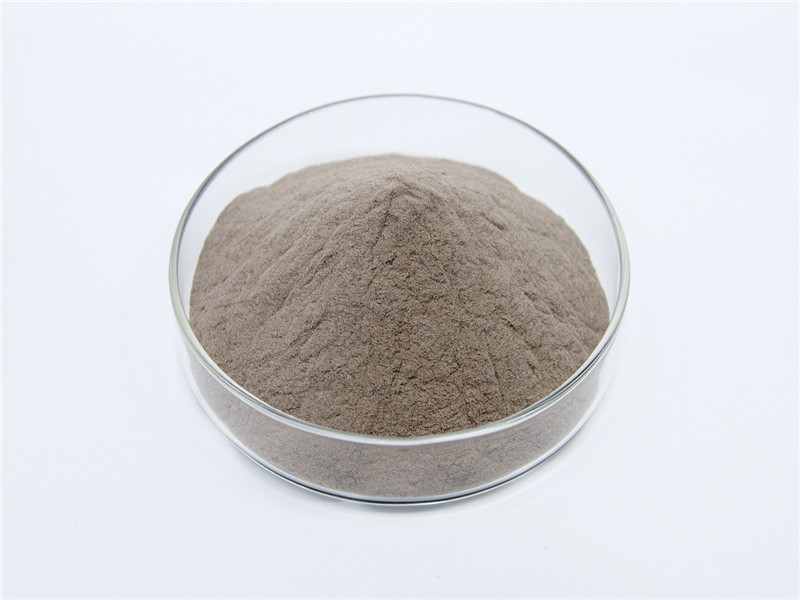
Its hardness is close to that of white corundum, it has a high iron content, and it is brownish-brown in color.
Advantages: Lowest price, strong wear-resistant frame, resistant to particle erosion.
Applications: Heavy-duty floor primer, water-based abrasion-resistant paint for mining equipment, low-cost industrial protective coatings
II. Silicon carbide-based systems (high hardness, resistance to strong acids and alkalis, thermal conductivity, and wear resistance)
1. Green carborundum micropowder GC
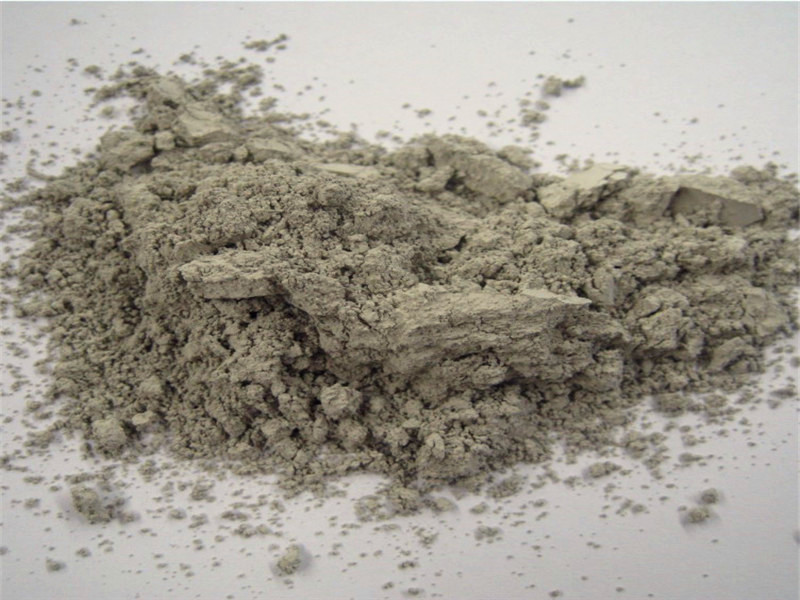
With a Mohs hardness of 9.4-9.5, it is the hardest abrasive among existing wear-resistant fillers; it is resistant to strong acids and alkalis and has excellent thermal conductivity.
Applications: Water-based anti-corrosion coatings for chemical equipment, water-based heat dissipation coatings for power battery casings, anti-slip and anti-corrosion coatings for ship decks, and high-temperature resistant water-based coatings for flues.
2. Black carborundum micropowder C
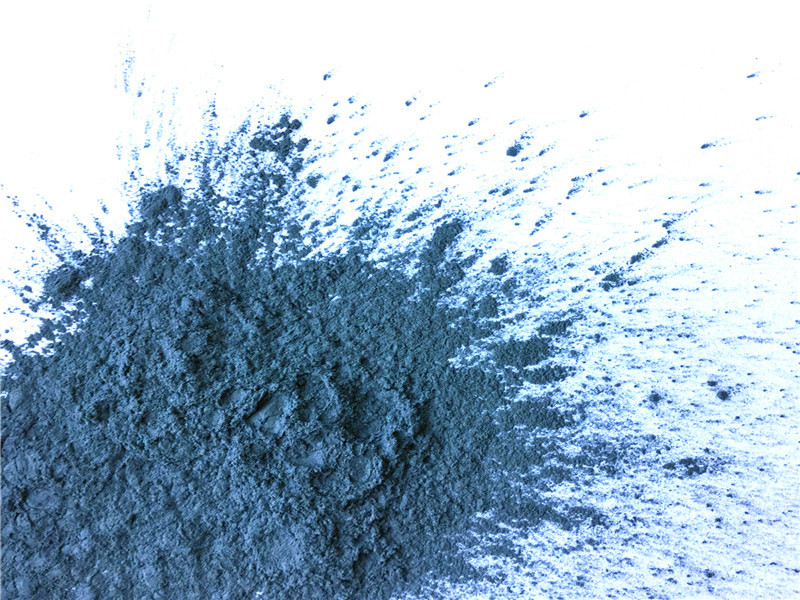
It has a slightly lower hardness than green carborundum, a lower cost, and a gray-black powder.
Advantages: Strong erosion resistance, high temperature resistance
Applications: Water-based primers for mine chutes and pipelines, and water-based coatings for high-temperature insulation.
3. Platelet aluminum oxide (platelet alumina, for topcoat, dual function of wear resistance and dense corrosion protection)
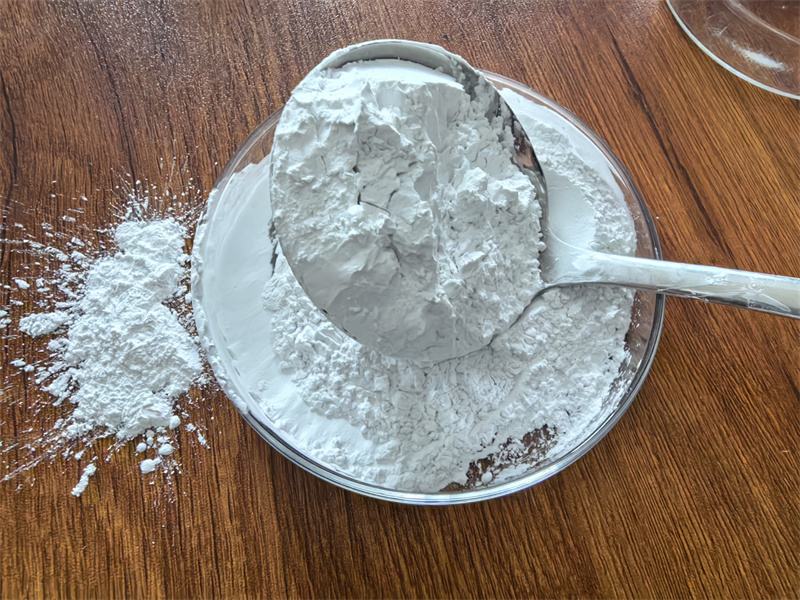
Thin sheets of α-alumina, in a flat, plate-like shape, are stacked and arranged within the paint film
1. Seals micropores in the paint film, significantly improving water resistance and salt spray corrosion resistance;
2. Improves scratch resistance, steel wool abrasion resistance, and creates a smooth and fine paint film.
IV. Key Considerations for Using Water-Based Systems
1. All hard inorganic powders must be used with polycarboxylic acid-based water-based wetting and dispersing agents to prevent agglomeration, sedimentation, and particle pitting;
2. High-filler formulations require the addition of water-based bentonite and associative thickeners to prevent settling;
3. Silicon carbide and aluminum oxide can modify the surface of silane in advance, significantly improving its dispersion stability in water;
4. For light-colored topcoats, white corundum, platelet aluminum oxide, and ultrafine green carborundum are preferred; for dark-colored heavy-duty primers, brown corundum and black carborundum can be selected.